


What Are Premium Fabric Scissors Made From? A Guide to Scissor Materials Explained

If you've ever compared fabric scissors, you've probably noticed that manufacturers often mention the type of steel their scissors are made from: carbon steel, stainless steel, high carbon stainless steel, sometimes even manganese-infused carbon steel.
But what do those terms actually mean? And more importantly, how do they affect your sewing?
The truth is that the metal used to create your scissors influences everything from weight and sharpness to durability, maintenance, and price. Here's what every sewist should know.
Why Steel Matters
The steel used in fabric shears isn't simply chosen because it's strong. Different metals behave differently throughout the entire life of the scissors. They sharpen differently, they wear differently, they resist corrosion differently, they even feel different while cutting.
Understanding these differences helps you choose a pair that matches the way you work.
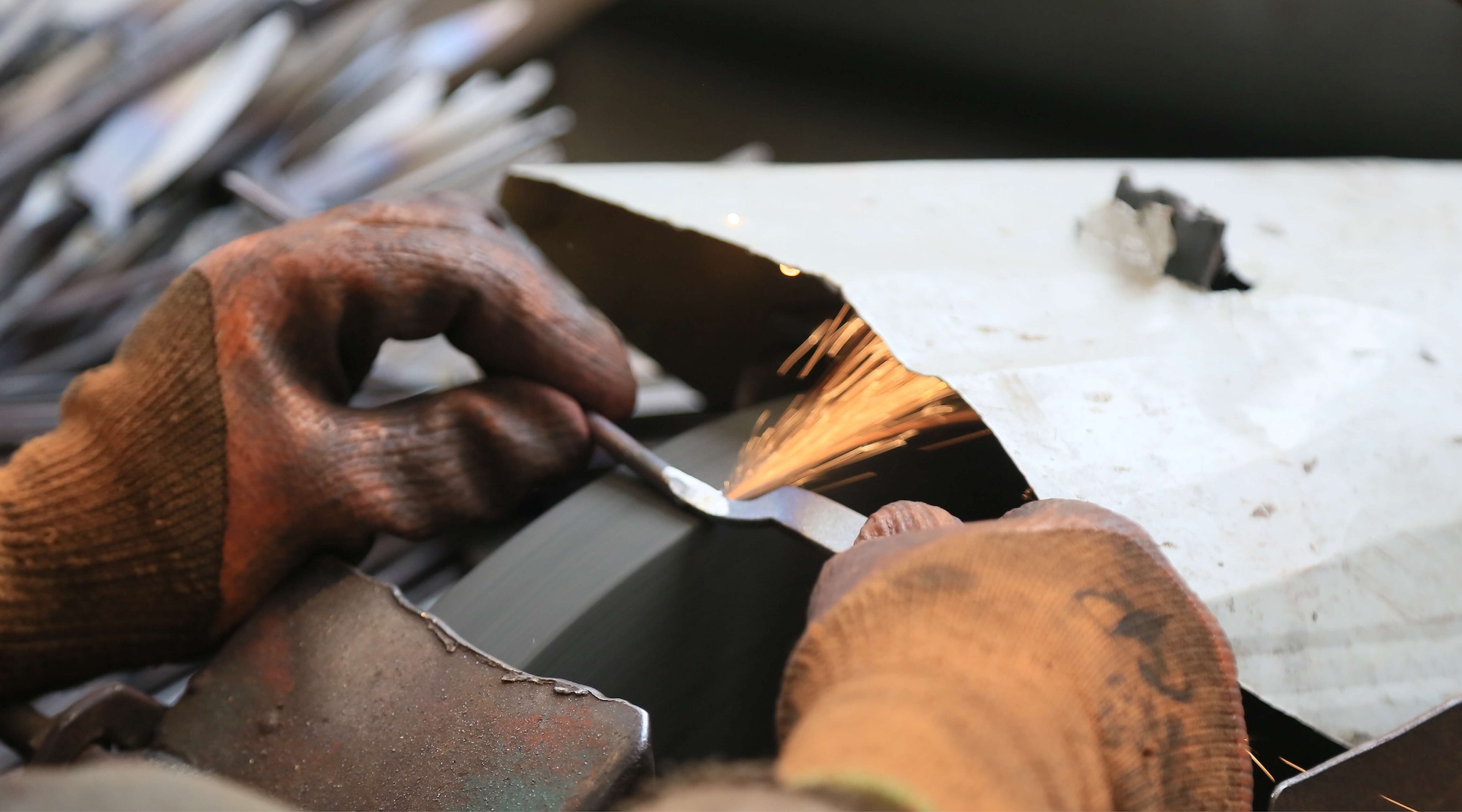
Stainless Steel
Stainless steel is one of the most popular materials used in premium fabric scissors. Its greatest advantage is corrosion resistance. For makers living in humid climates or anyone who prefers lower-maintenance tools, stainless steel provides excellent durability while maintaining a sharp cutting edge for a long time.
The trade-off? Stainless steel is generally more difficult to manufacture and typically costs more than carbon steel.
Best for:
- Everyday sewing
- Quilting
- Humid environments
- Makers wanting minimal maintenance
Carbon Steel
Carbon steel has been trusted by professional makers for generations. It's lighter than many stainless steel scissors and can often be sharpened to an exceptionally fine edge. Many sewists appreciate how responsive carbon steel feels during long cutting sessions. Because it's easier to work during manufacturing, it can also offer excellent value while delivering outstanding performance.
Some premium manufacturers enhance carbon steel with manganese. This creates a stronger, longer-lasting blade while maintaining many of the characteristics that make carbon steel so enjoyable to use. The additional material increases manufacturing costs but also improves long-term durability and performance.
Carbon steel does require a little more care, however. Unlike stainless steel, it isn't naturally resistant to rust, so keeping the blades clean and dry is important. Look for a carbon steel scissor that has an anti-rust coating, like our Midnight Edition or Traditional Fabric Shears, which are also enhanced with manganese.
Best for:
- Professional sewing
- Garment making
- Makers who value a lightweight feel
- Those comfortable with routine tool care
High Carbon Stainless Steel
If carbon steel and stainless steel each have unique strengths, high carbon stainless steel combines many of the best qualities of both. It offers impressive edge retention, excellent durability, strong resistance to wear, and the corrosion resistance many sewists appreciate.
The trade-off is simple: it’s more expensive. Both the material itself and the manufacturing process require greater investment, but for many makers, the performance justifies the cost.
Best for:
- Frequent sewing
- Professional studios
- Long-term investment
- Makers wanting premium performance
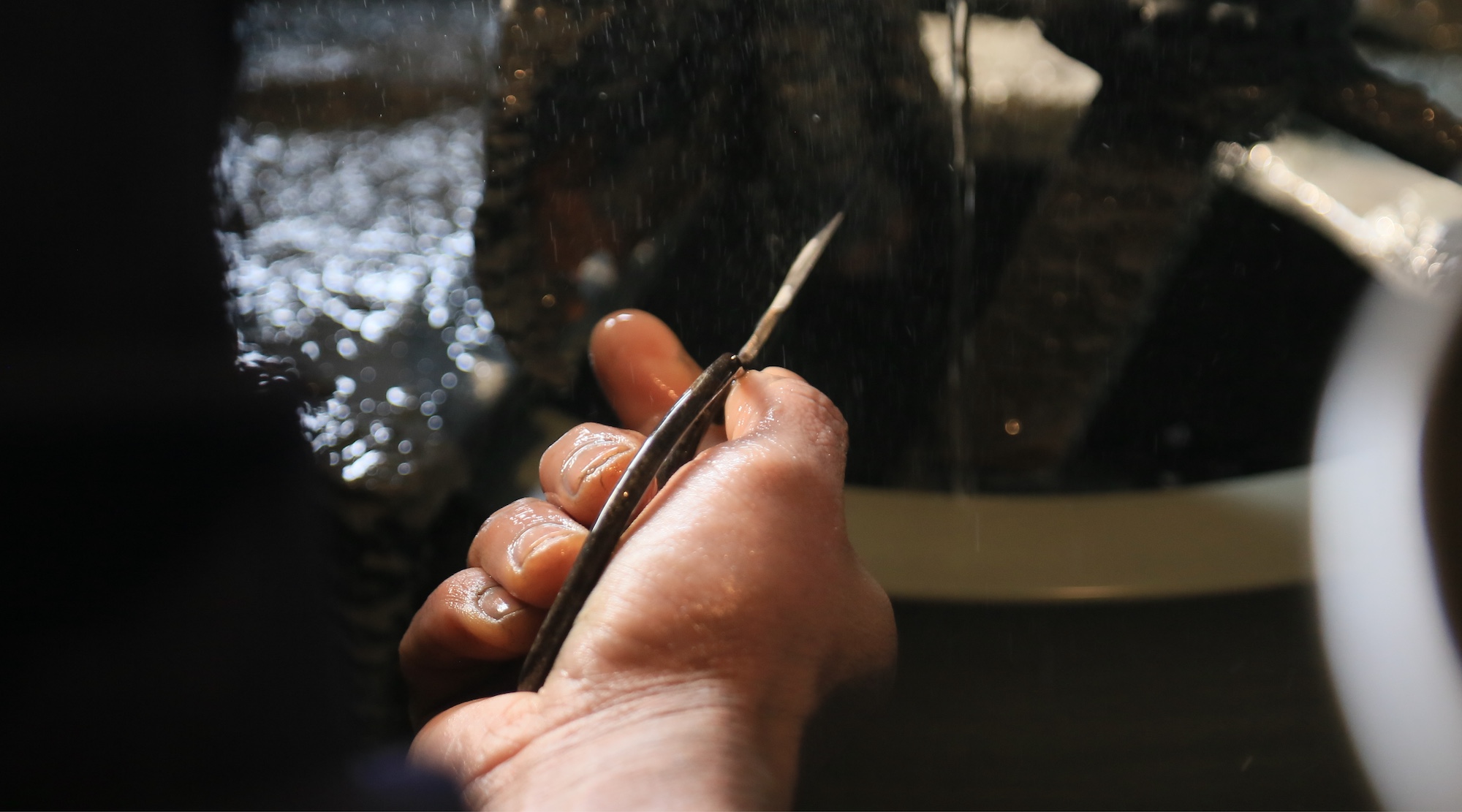
The Steel Is Only One Piece of the Puzzle
Even the finest steel can't compensate for poor design; blade geometry, hollow-ground grinding, pivot construction, balance, and handle ergonomics all work together to determine how scissors feel in use.
Think of steel as the foundation. Everything else builds on top of it.
Final Thoughts: TL;DR
Choosing premium fabric scissors isn't about memorizing metal elements. It's about understanding how different materials support different ways of making. Whether you prefer the lightweight feel of carbon steel, the corrosion resistance of stainless steel, or the premium performance of high carbon stainless steel, the best scissors are the ones that fit both your projects and your hands.
Because when quality materials meet thoughtful craftsmanship, your scissors stop feeling like a tool and start feeling like part of the creative process.
Leave a comment