


The Cutting Mechanics of Smaller Scissors: Why Serrated Blades Make a Difference

When you’re working with a large pair of fabric shears, the length and weight of the blades help generate leverage and maintain control through longer cuts. Smaller scissors have less blade length, less mass, and a much smaller cutting area. This makes them excellent for precision work, but it also means they need to be engineered differently to perform at their best.
One of the most useful design choices for small scissors is a serrated blade. If you’ve ever used a serrated bread knife, the basic idea will feel familiar. Instead of having two completely smooth cutting edges, a serrated pair of scissors has one serrated blade and one smooth knife edge. Those tiny teeth change the way the scissors interact with fabric, helping the material stay in place while you make precise cuts.
So, why does that matter, and when should you choose serrated scissors over a traditional smooth blade?
Why Small Scissors Cut Differently
The size of a pair of scissors affects much more than how it feels in your hand. It also changes how the blades interact with the material being cut. Large fabric shears with their longer blades allow you to cut through larger sections of fabric with fewer strokes, while their size and construction provide leverage.
Small scissors are designed for a different job and are typically used when precision and control matter more than cutting through large amounts of material. Appliqué, embroidery, trimming, small curves, corners, yarn, or detailed fabric work are where small scissors shine. Because the blades are smaller and thinner, there is less surface area making contact with the material. This can be an advantage when precision is the goal, but it can also make certain fabrics more difficult to control. This is where blade design becomes particularly important.
Why Small Scissors Don't Typically Have Hollow-Ground Blades
At LDH, we often talk about the importance of a hollow-ground blade in premium fabric scissors. A hollow-ground blade has a concave shape ground into the inner surface of the blades. This reduces friction between the blades and the material, allowing fabric to move more smoothly through the cutting area.
However, hollow grinding isn't necessarily practical for every pair of scissors. The blades on small scissors are significantly thinner than those found on large fabric shears, so they are too thin to make hand hollow-grinding practical.
Machine hollow-grinding is technically possible, but the additional manufacturing cost isn't always justified for a small pair of scissors. Adding that process would increase the cost of the tool without necessarily providing enough benefit to the customer to make it worthwhile. So instead of relying on hollow grinding, there are other engineering decisions we can make to improve the cutting experience.
One of those decisions is to add a serration.
How Serrated Scissors "Grab" Fabric
One of the biggest advantages of serrated scissors is cutting control. When you're cutting a slippery or lightweight material with a very small blade, the fabric can move as the blades close. Instead of staying exactly where you want it, the material may shift, slide, or push away from the cutting edge. This becomes especially noticeable when you're making small cuts. The serrations create tiny points of contact that help grab and stabilize the fabric as the scissors close, which can make a surprisingly significant difference.
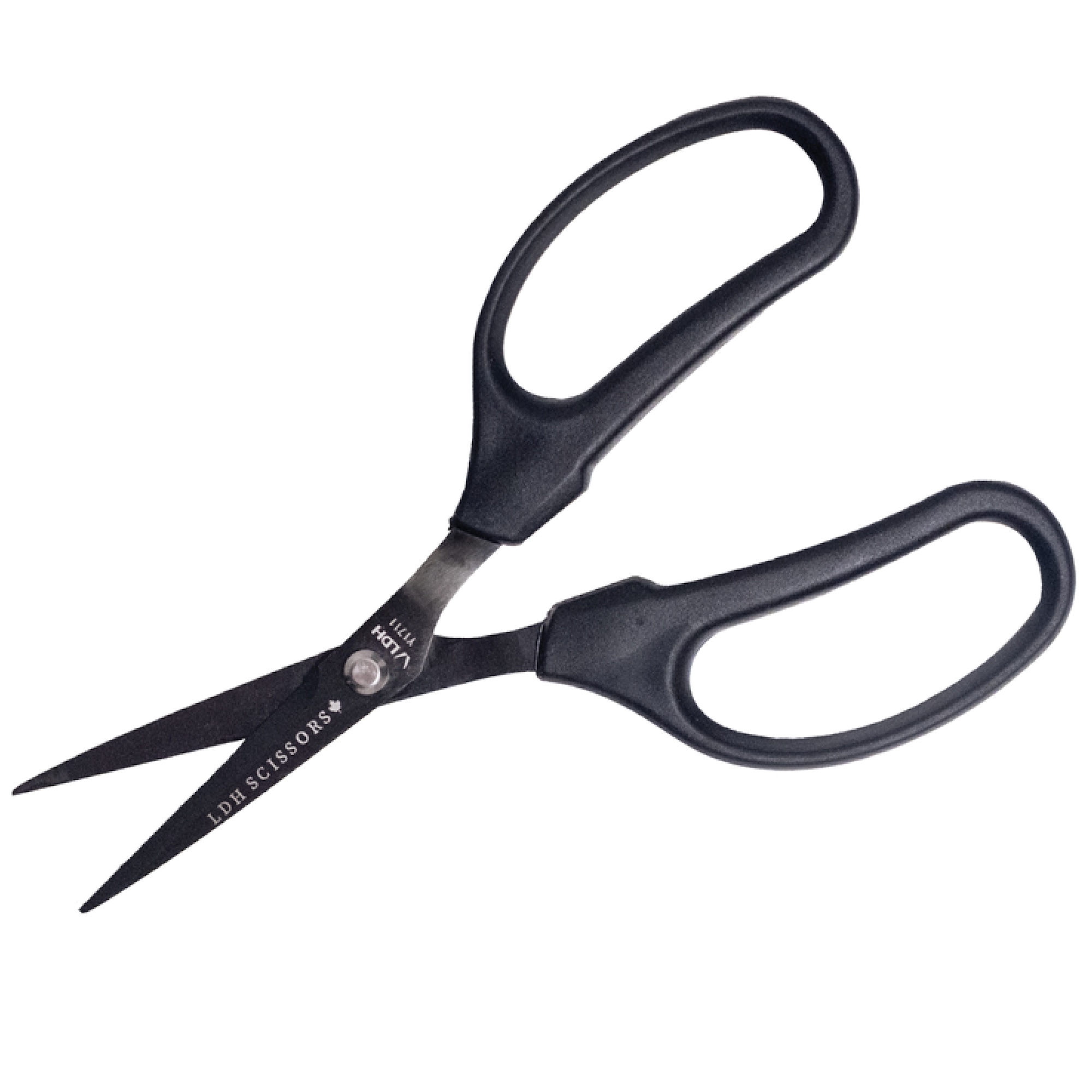
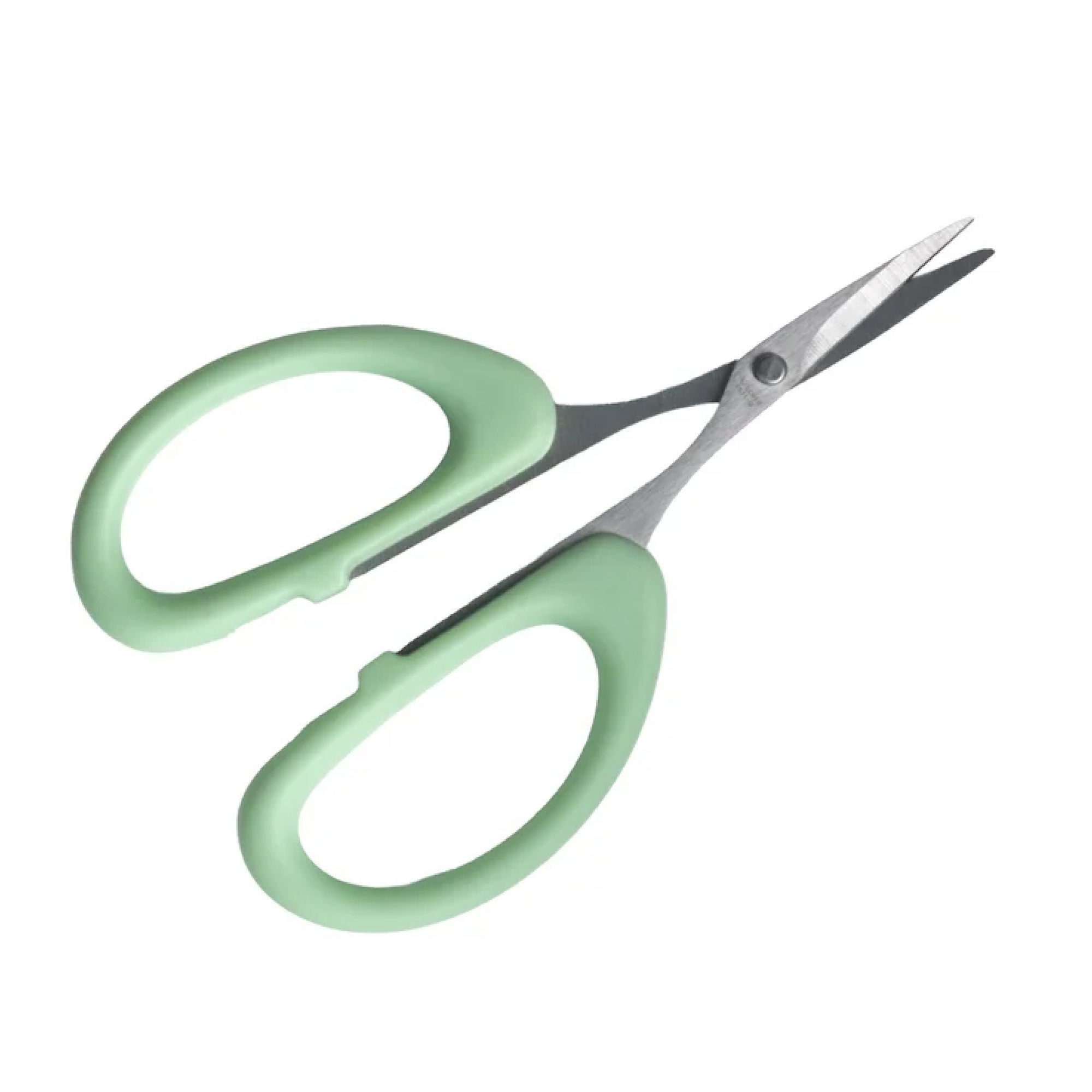
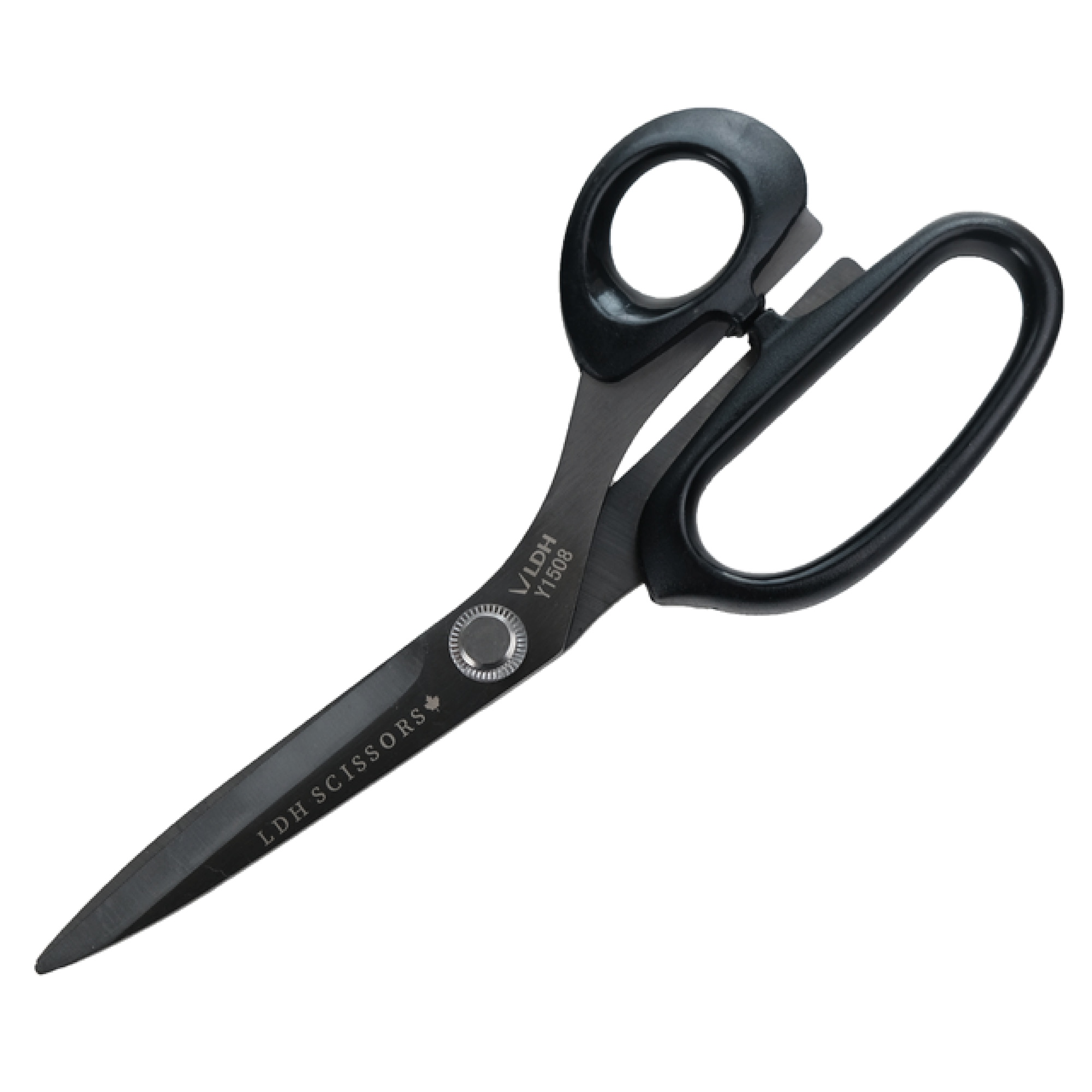
Serrated Blades and Slippery Fabrics
Lightweight and slippery materials can be particularly challenging for small scissors.
Fabrics such as:
- Silk
- Satin
- Lightweight woven fabrics
- Wool
- Other slippery or delicate materials
A serrated edge helps keep the fabric engaged with the blade, giving you greater control over where the cut happens. This is particularly useful when you're trimming a small section rather than cutting a long, straight line.
Are Serrated Scissors Sharper Than Regular Scissors?
Not necessarily. In fact, serrated scissors typically won't feel as conventionally "sharp" as a traditional pair of fabric scissors. That's not a flaw; it’s a reflection of their intended application. A smooth blade is designed to glide through material with a clean cutting action, whereas a serrated blade introduces additional grip and control.
Can Serrated Scissors Be Sharpened?
Yes. Like other quality scissors, serrated scissors can be maintained over time. The smooth knife edge can be sharpened in the usual way, while the serrated edge can be re-serrated to restore its teeth.
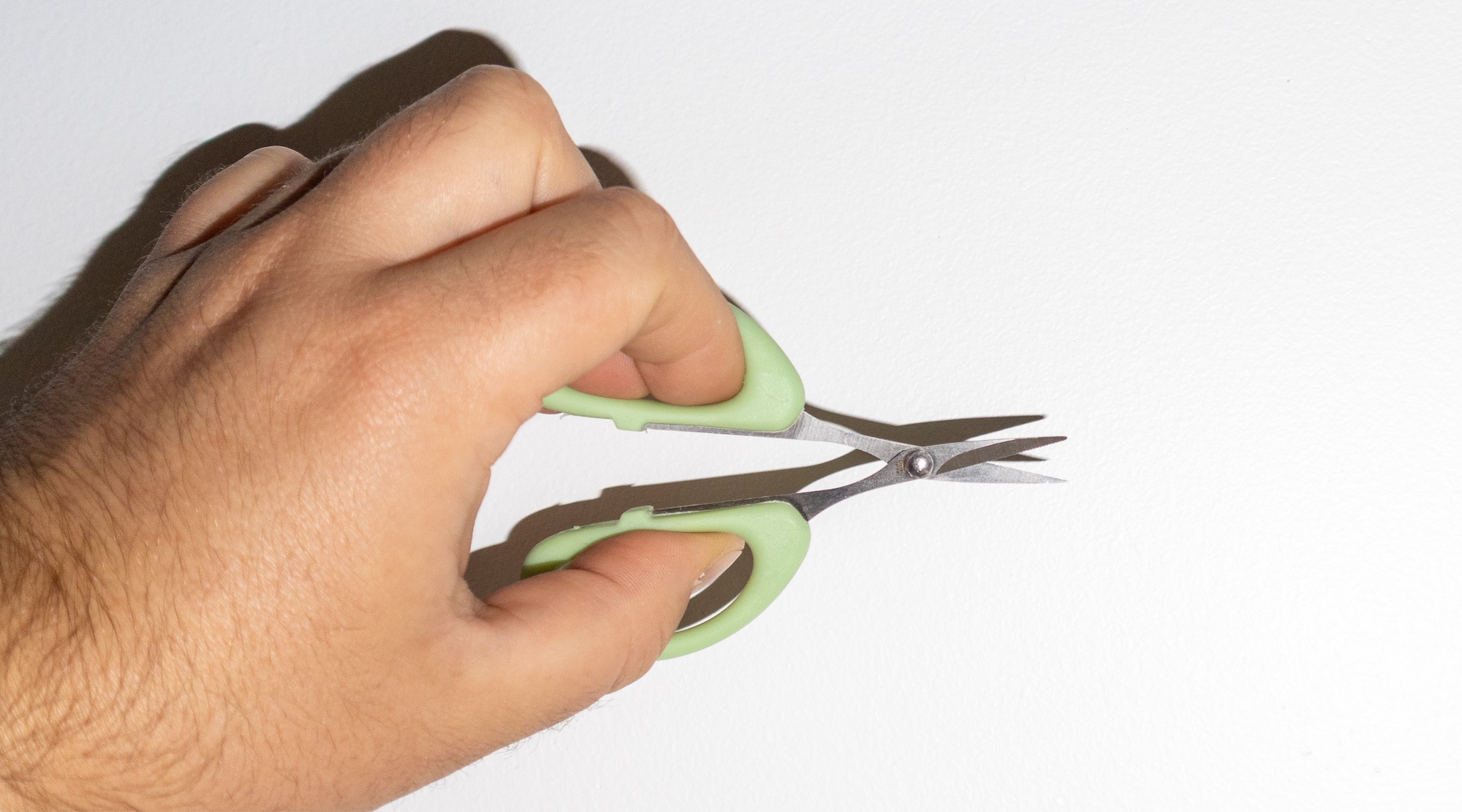
Serrated vs. Smooth Scissors: Which Should You Choose?
Choose smooth blades when:
- You need clean, long cuts
- You're cutting larger pieces of fabric
- You're working through multiple layers
- You want a traditional smooth cutting action
- You're working primarily with stable materials
Choose serrated blades when:
- You're making small, precise cuts
- You're working around curves or turns
- Your fabric tends to slip or move
- You're cutting wool appliqué
- You're working with silk, satin, or other slippery materials
- You want additional control from a small blade
The next time you reach for a small pair of scissors, pay attention to what's happening between the blade and the fabric. If the material is sliding around, a serrated edge may give you the extra grip you need. If you're navigating a tight curve, that additional control can make the cut easier to manage. And if you're working on something like wool appliqué or detailed textile work, the difference between a smooth blade and a serrated one can become immediately noticeable.
Leave a comment